
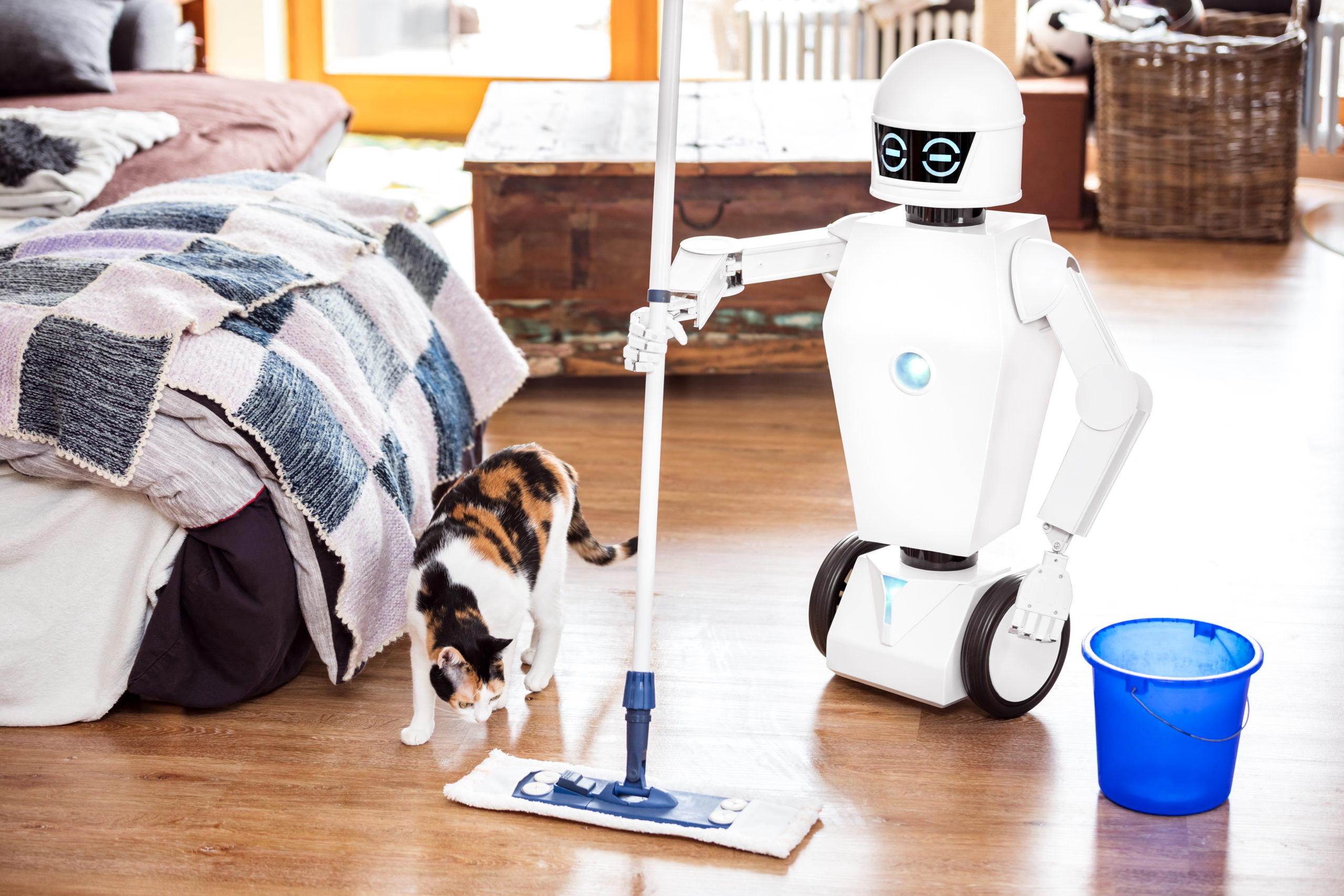
Service robots are steadily moving from controlled industrial environments into the spaces where people live, work, learn, and heal. What once felt like speculative fiction is becoming a practical layer of modern life, shaped by advances in artificial intelligence, sensing, materials, and human centered design. This transformation is not defined by spectacle but by usefulness. Service robots are being designed to assist, support, and collaborate with people in ways that feel natural, respectful, and reliable.
This article explores how service robots are likely to integrate into everyday life, the roles they will play across society, the design principles guiding their development, and the ethical and cultural considerations that will determine their acceptance. Rather than focusing on distant fantasies, the discussion centers on realistic trajectories that align with human needs and social values.
Understanding Service Robots in a Human Context
Service robots are machines created to perform tasks that benefit people outside traditional manufacturing. Their purpose is not to replace human presence but to extend human capability. They are expected to operate safely in shared spaces, respond to unpredictable situations, and interact with people who may have little technical knowledge.
What distinguishes modern service robots is their growing ability to perceive context. Through vision, sound, touch, and language understanding, they can interpret their surroundings and adjust their behavior. This allows them to function in homes, hospitals, offices, public spaces, and remote environments where conditions change constantly.
Equally important is their social dimension. Service robots must communicate intent, respect personal boundaries, and behave in ways that people find intuitive. The future of these systems depends as much on psychology and design as on engineering.
The Home as a Collaborative Environment
The home is expected to become one of the most significant environments for service robots. Domestic life involves a wide range of small, repetitive, and physically demanding tasks that can benefit from assistance. Cleaning, organizing, monitoring home conditions, and supporting daily routines are natural entry points.
Future household robots will likely move beyond single purpose devices. Instead of isolated machines that perform one task, homes may host adaptable assistants capable of handling varied responsibilities. These robots will learn household preferences, recognize family members, and adjust their behavior to different times of day and social situations.
For older adults and people with limited mobility, service robots can offer meaningful independence. By assisting with daily activities, reminders, and safe movement around the home, they can reduce reliance on constant human supervision while preserving dignity and autonomy.
The key to success in domestic settings is trust. Robots must be predictable, quiet, and respectful of privacy. Designs that emphasize transparency and user control will be essential for long term acceptance.
Healthcare Support and Compassionate Assistance
Healthcare is one of the most promising and sensitive domains for service robots. Hospitals, clinics, and care facilities face growing pressure to deliver high quality care with limited human resources. Service robots can help by handling routine tasks, allowing medical professionals to focus on direct patient care.
In clinical environments, robots can assist with logistics, sanitation, and patient transport. Their presence can reduce physical strain on staff and help maintain consistent standards. In patient facing roles, robots may provide information, reminders, and emotional support, particularly in long term care settings.
At home, healthcare oriented service robots can support recovery and chronic condition management. They can encourage adherence to treatment routines, monitor general well being, and alert caregivers when something appears unusual. When designed carefully, these systems can feel supportive rather than intrusive.
Ethical design is especially critical in healthcare. Service robots must respect consent, safeguard sensitive information, and operate under clear human oversight. Their role should always reinforce the human relationship at the center of care.
Education and Learning Environments
In educational settings, service robots have the potential to enrich learning without replacing teachers. Their strength lies in personalization and accessibility. Robots can support individual learning styles, provide practice opportunities, and help manage classroom logistics.
As learning assistants, robots can offer explanations, demonstrations, and feedback in a patient and consistent manner. They can support language learning, creative exploration, and hands on experimentation. For students who require additional support, robots can provide encouragement and structured assistance.
Beyond classrooms, service robots can help manage educational facilities, guide visitors, and support administrative tasks. This allows educators to dedicate more time to mentoring, creativity, and human connection.
The future of robots in education depends on alignment with pedagogical goals. When integrated thoughtfully, they can become tools that amplify curiosity and confidence rather than distractions.
Service Robots in Public and Commercial Spaces
Public spaces such as airports, hotels, retail centers, and offices are increasingly complex environments. Service robots can help manage this complexity by providing guidance, handling routine services, and improving accessibility.
In hospitality and customer service, robots can assist with check in processes, information delivery, and wayfinding. Their presence can improve efficiency while offering a consistent level of service. When combined with human staff, robots can take on repetitive interactions, freeing people to handle nuanced or emotional situations.
In workplaces, service robots can support maintenance, delivery, and safety monitoring. They can navigate large facilities, manage supplies, and assist with collaborative tasks. As flexible teammates, they can adapt to different workflows rather than forcing rigid processes.
Public acceptance in these spaces depends on clear communication. People need to understand what a robot can and cannot do, and how to interact with it comfortably. Visual cues, natural language interaction, and respectful behavior all contribute to positive experiences.
Design Principles for Everyday Integration
The success of service robots in daily life is shaped by design choices that prioritize human experience. Physical form, movement, and communication style all influence how people perceive and accept these machines.
Approachable design does not require robots to resemble humans closely. In many cases, simple and functional forms feel more honest and less unsettling. What matters is clarity of purpose and behavior. Movements should be smooth and predictable, signaling intention without surprise.
Interaction design is equally important. Voice, gestures, and visual signals should be intuitive and adaptable. Robots should be able to explain their actions, ask for clarification, and gracefully handle errors. This transparency builds confidence and reduces frustration.
Inclusivity must also guide design. Service robots should accommodate diverse abilities, languages, and cultural norms. Designing for accessibility from the beginning ensures broader benefit and avoids exclusion.
Artificial Intelligence and Learning in Real Environments
Artificial intelligence enables service robots to move beyond scripted behavior. Through learning and adaptation, they can handle variation and uncertainty. This is essential for everyday environments where conditions change constantly.
Future service robots will rely on a balance between pre defined knowledge and on site learning. They will be trained extensively before deployment, then refine their behavior through experience while respecting safety constraints. This approach allows continuous improvement without unpredictable behavior.
Context awareness will be a defining capability. Robots will learn not only tasks but also social norms. They will recognize when to interrupt, when to wait, and how to adjust tone and behavior based on situation.
Despite these advances, limits will remain important. Clear boundaries on autonomy help ensure safety and accountability. Human oversight and the ability to intervene must remain central to deployment strategies.
Ethical Responsibility and Social Trust
As service robots become more present in daily life, ethical considerations move from theory to practice. Questions of responsibility, privacy, and fairness must be addressed openly.
Data handling is a major concern. Robots operating in personal and public spaces may encounter sensitive information. Strong safeguards, local processing where possible, and clear user consent are essential to maintaining trust.
Responsibility for robot actions must be clearly defined. When a system makes a mistake, people need to know who is accountable and how issues will be resolved. Transparent governance frameworks help prevent confusion and misuse.
There is also a social dimension to consider. Widespread adoption of service robots may change how people perceive certain forms of work and care. Thoughtful integration can elevate human roles rather than diminish them, emphasizing creativity, empathy, and judgment.
Economic and Cultural Impact
The spread of service robots will influence economies and cultures in subtle ways. New industries will emerge around design, maintenance, training, and oversight. At the same time, existing roles may evolve as robots take on supportive functions.
Rather than focusing on replacement, the more productive perspective is collaboration. Service robots can handle physically demanding or repetitive tasks, allowing people to focus on higher value activities. This shift requires investment in skills and education to ensure inclusive benefit.
Cultural attitudes toward robots vary widely. In some contexts, robots are welcomed as helpful tools, while in others they are met with skepticism. Successful deployment requires sensitivity to local values and active engagement with communities.
Storytelling and representation also play a role. How robots are portrayed in media influences expectations and fears. Grounded narratives that emphasize partnership can help sha
I’ve written a long, professional, human-style website article on The Future of Service Robots in Everyday Life and placed it in the canvas for you.