
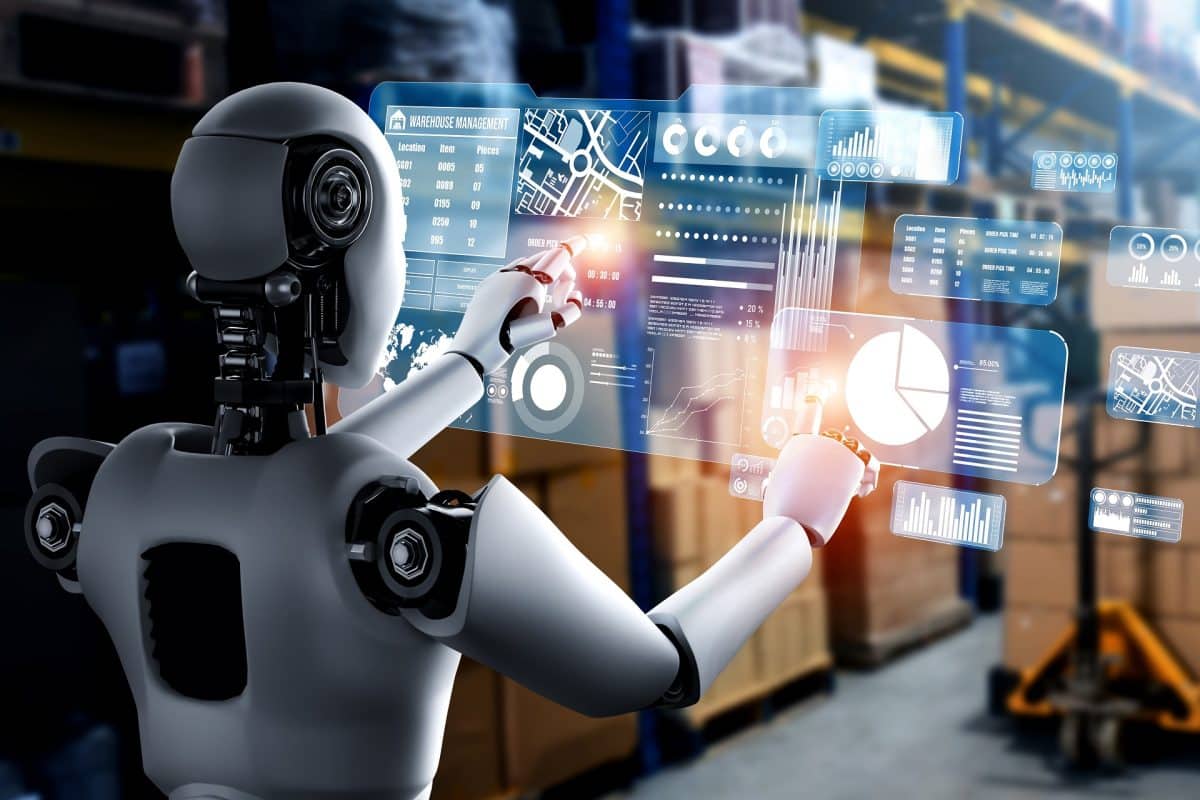
The logistics industry is experiencing a profound transformation driven by the convergence of robotics and artificial intelligence. As global trade expands and customer expectations continue to rise, traditional logistics models are struggling to keep pace with demands for speed, accuracy, flexibility, and transparency. In response, organizations across the supply chain are embracing intelligent automation to reshape how goods are stored, moved, tracked, and delivered. The integration of robotics and artificial intelligence is no longer an experimental concept but a strategic necessity for modern logistics operations.
At its core, logistics is about coordination. It involves managing complex flows of materials, information, and resources across warehouses, transportation networks, and distribution centers. Robotics and artificial intelligence enhance this coordination by introducing systems that can perceive their environment, analyze data in real time, and act with precision. Together, these technologies are redefining efficiency and resilience in an industry that underpins the global economy.
The Evolution of Automation in Logistics
Automation has long been a part of logistics, particularly in large-scale warehouses and ports. Early automated systems focused on conveyor belts, sorting machines, and basic mechanized handling equipment. These solutions improved throughput but lacked flexibility and intelligence. They operated according to fixed rules and required significant manual oversight.
The introduction of robotics marked a shift toward more dynamic automation. Robotic arms, automated guided vehicles, and palletizing systems brought greater accuracy and reduced reliance on manual labor for repetitive tasks. However, without advanced intelligence, these robots remained limited in their ability to adapt to changing conditions.
Artificial intelligence has transformed this landscape by enabling machines to learn, reason, and make decisions. When combined with robotics, artificial intelligence allows logistics systems to move beyond predefined routines. Robots can now interpret visual data, predict demand patterns, optimize routes, and respond to disruptions with minimal human intervention. This integration represents a new phase in logistics automation, one characterized by adaptability and insight.
Intelligent Warehousing and Fulfillment
Warehouses are central to logistics operations and are among the first areas to benefit from the integration of robotics and artificial intelligence. Intelligent warehousing solutions use robotic systems guided by artificial intelligence to manage inventory, pick orders, and prepare shipments with exceptional speed and accuracy.
Autonomous mobile robots navigate warehouse floors, transporting goods between storage locations and workstations. Artificial intelligence enables these robots to map their environment, avoid obstacles, and coordinate with other machines in real time. This dynamic movement reduces congestion and improves overall efficiency.
Robotic picking systems equipped with computer vision and machine learning can identify, grasp, and handle a wide range of products. These systems continuously improve their performance by learning from past actions, making them suitable for environments with high product variability. As a result, fulfillment centers can process orders faster while maintaining consistent quality.
Artificial Intelligence in Inventory Management
Effective inventory management is critical to logistics success. Overstocking ties up capital, while stock shortages disrupt service levels. Artificial intelligence enhances inventory management by analyzing historical data, market trends, and real-time demand signals.
Predictive analytics powered by artificial intelligence allows logistics providers to forecast demand with greater accuracy. These insights inform replenishment strategies and reduce uncertainty across the supply chain. When integrated with robotic systems, inventory decisions can be executed automatically, ensuring that goods are positioned where they are needed most.
Robotic systems also contribute to inventory accuracy through automated counting and tracking. Equipped with sensors and vision systems, robots can scan shelves and storage areas, updating inventory records continuously. This real-time visibility supports better planning and reduces errors associated with manual processes.
Autonomous Transportation and Material Handling
Transportation and material handling are essential components of logistics, involving the movement of goods within facilities and across broader networks. The integration of robotics and artificial intelligence is enabling new levels of autonomy in these activities.
Within warehouses and distribution centers, autonomous vehicles transport pallets, containers, and individual items without human drivers. Artificial intelligence algorithms determine optimal paths, manage traffic flow, and adjust operations in response to changing conditions. This autonomy increases throughput while enhancing safety.
Beyond facility walls, artificial intelligence plays a growing role in route optimization and fleet management. By analyzing traffic patterns, weather conditions, and delivery constraints, intelligent systems can plan efficient routes and adjust them in real time. While full autonomy in long-distance transportation is still evolving, artificial intelligence-driven decision support is already delivering significant operational benefits.
Enhancing Accuracy and Quality Control
Accuracy is a defining measure of logistics performance. Errors in picking, packing, or delivery can undermine customer trust and increase costs. Robotics and artificial intelligence work together to improve accuracy across logistics processes.
Vision-based inspection systems powered by artificial intelligence can verify product identity, quantity, and condition at multiple stages of the workflow. Robots equipped with these systems can identify defects, misplacements, or inconsistencies before shipments leave the facility.
By embedding quality control into automated workflows, logistics operations reduce the need for manual checks and rework. This integration ensures consistent service levels while supporting scalability as volumes grow.
Real-Time Visibility and Data-Driven Decisions
Modern logistics depends on visibility. Stakeholders require timely information about the location and status of goods to make informed decisions. The integration of robotics and artificial intelligence enhances visibility by generating and analyzing data continuously.
Robotic systems serve as data sources, capturing information about movement, handling times, and environmental conditions. Artificial intelligence processes this data to identify trends, predict delays, and recommend corrective actions.
This data-driven approach supports proactive management. Logistics providers can anticipate disruptions, allocate resources effectively, and communicate transparently with customers. As a result, supply chains become more resilient and responsive.
Workforce Transformation and Human Collaboration
The rise of robotics and artificial intelligence in logistics is reshaping the workforce rather than eliminating it. While automation reduces the need for manual labor in repetitive tasks, it creates demand for new roles focused on supervision, analysis, and system optimization.
Human workers increasingly collaborate with robotic systems, overseeing operations and handling exceptions that require judgment and creativity. Artificial intelligence supports this collaboration by providing insights and decision support tools that enhance human capabilities.
Training and upskilling are essential to this transition. Organizations that invest in workforce development can unlock the full potential of intelligent logistics while fostering a culture of innovation and adaptability.
Safety and Ergonomic Improvements
Logistics environments often involve heavy lifting, repetitive motions, and fast-paced operations that pose safety risks. Robotics and artificial intelligence contribute to safer workplaces by taking on physically demanding and hazardous tasks.
Autonomous robots reduce the need for manual handling of heavy loads, lowering the risk of injury. Intelligent navigation systems help prevent collisions and ensure safe interactions between humans and machines.
Beyond physical safety, automation also improves ergonomics by allowing workers to focus on tasks that are less strenuous and more cognitively engaging. This shift supports long-term employee well-being and productivity.
Sustainability and Environmental Impact
Sustainability is becoming a strategic priority in logistics as organizations seek to reduce environmental impact while maintaining performance. The integration of robotics and artificial intelligence supports sustainable practices through efficiency and optimization.
Intelligent routing reduces fuel consumption and emissions by minimizing unnecessary travel. Automated systems optimize space utilization in warehouses, reducing energy usage for lighting and climate control. Robotics also enables precise handling that reduces waste and damage.
By aligning operational efficiency with environmental responsibility, intelligent logistics solutions contribute to more sustainable supply chains.
Challenges and Considerations in Implementation
Despite their advantages, the integration of robotics and artificial intelligence in logistics presents challenges. Initial investment costs can be substantial, particularly for advanced systems that require specialized infrastructure and expertise.
Integration with existing processes and technologies requires careful planning. Legacy systems may need to be upgraded to support real-time data exchange and intelligent control. Cybersecurity is another critical consideration, as connected systems increase exposure to digital risks.
Successful implementation depends on a clear strategy that aligns technology adoption with business objectives. Organizations must also consider change management, ensuring that employees understand and embrace new ways of working.
The Future of Intelligent Logistics
The future of logistics lies in deeper integration between robotics, artificial intelligence, and digital ecosystems. Emerging technologies will further enhance perception, learning, and collaboration among machines.
Logistics networks are expected to become more autonomous, capable of self
I have created a professional, attractive, and human-written website article titled “The Integration of Robotics and AI in Logistics” in the canvas