
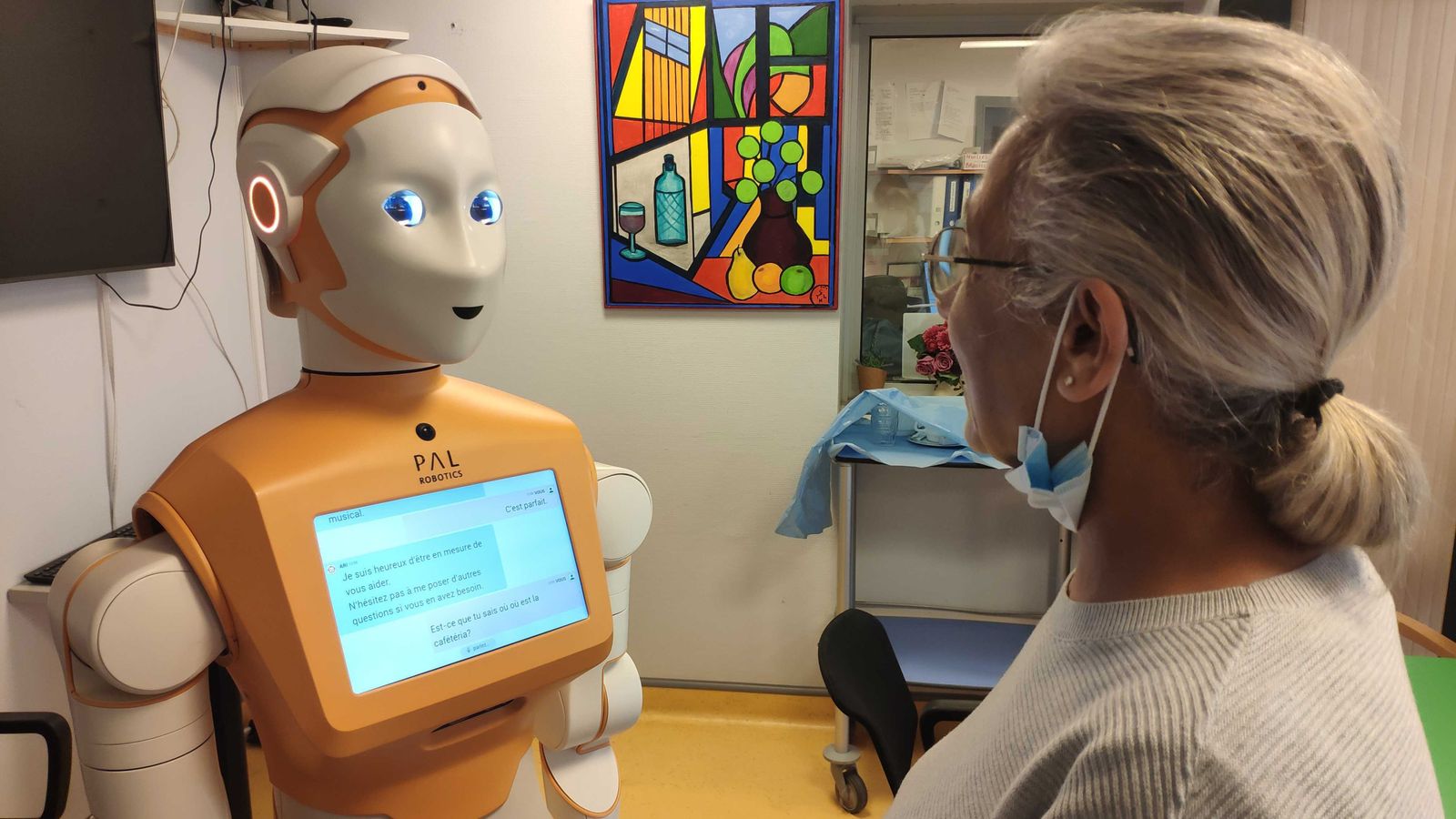
Healthcare and assisted living systems across the world are facing profound and lasting challenges. Aging populations, increasing life expectancy, rising rates of chronic disease, and persistent shortages of skilled caregivers are placing intense pressure on hospitals, clinics, and long-term care facilities. At the same time, patients and families expect care that is not only effective but also compassionate, personalized, and respectful of dignity. Within this complex landscape, robotics has emerged as a transformative force that is reshaping how care is delivered.
Robots in healthcare and assisted living are not intended to replace human caregivers. Instead, they are designed to support medical professionals, nurses, and care staff by taking on tasks that are physically demanding, repetitive, or time-consuming. By doing so, robots allow humans to focus on clinical judgment, emotional connection, and individualized care. As robotics continues to integrate with artificial intelligence, digital health systems, and advanced sensing technologies, its role is expanding from simple assistance to intelligent collaboration.
The growing presence of robots in healthcare reflects a broader shift toward human-centered technology. These systems are increasingly designed with empathy, safety, and usability in mind. From hospitals and rehabilitation centers to assisted living communities and private homes, robots are becoming quiet partners in care, enhancing quality of life and supporting sustainable healthcare systems.
The Evolution of Robotics in Healthcare and Caregiving
The relationship between healthcare and technology has evolved gradually over decades. Early medical tools were mechanical devices created to enhance precision or reduce physical strain. As electronics and computing advanced, medical equipment became more accurate, reliable, and capable of supporting complex procedures.
Robotics marked a significant milestone in this evolution. Early healthcare robots were primarily used in controlled clinical environments, where precision and consistency were critical. Surgical robots demonstrated that machines could perform highly controlled movements with remarkable accuracy, supporting minimally invasive procedures and improving patient outcomes.
Over time, robotic applications expanded beyond surgery. Robots began to assist with hospital logistics, rehabilitation therapy, diagnostics, and patient support. Modern healthcare robots are increasingly adaptive, capable of sensing their environment, responding to human presence, and learning from data. This evolution has transformed robotics from a specialized technology into a versatile component of modern healthcare and assisted living.
Robotics in Hospitals and Clinical Settings
Hospitals operate in demanding conditions that require efficiency, coordination, and strict safety standards. Robotics plays a vital role in supporting these complex environments by improving workflow reliability and reducing staff workload.
Surgical robotics remains one of the most advanced applications in healthcare. These systems provide surgeons with enhanced visualization, precise instrument control, and stable movements during complex procedures. By enabling minimally invasive techniques, robotic-assisted surgery can reduce trauma, shorten recovery periods, and lower the risk of complications. Importantly, these systems act as extensions of the surgeon’s expertise rather than replacements for human skill.
Outside the operating room, robots support a wide range of hospital activities. Autonomous mobile robots transport medications, laboratory samples, sterile equipment, and linens across large facilities. These robots navigate corridors safely, avoid obstacles, and operate continuously without fatigue. Their presence helps reduce delays, minimize errors, and free healthcare staff to focus on patient interaction and clinical decision-making.
Improving Patient Safety and Infection Control
Patient safety is a cornerstone of healthcare, and robotics contributes significantly to reducing risks. One of the most important areas where robots add value is infection prevention and control.
Robotic disinfection systems are used to sanitize patient rooms, operating theaters, and high-traffic areas. These robots apply consistent cleaning protocols and ensure thorough coverage, reducing variability associated with manual cleaning. By supporting infection control efforts, robots help protect vulnerable patients and healthcare workers alike.
Robots also play a role in enhancing safety by performing tasks in hazardous or sensitive environments. In isolation units or areas with heightened contamination risks, robotic systems can deliver supplies or handle materials without exposing staff to danger. This capability reinforces the role of robotics as a protective layer within healthcare infrastructure.
Robotics in Rehabilitation and Physical Therapy
Rehabilitation is essential for patients recovering from injury, surgery, or neurological conditions. Robotics has introduced new opportunities to improve the effectiveness and consistency of rehabilitation therapy.
Rehabilitation robots assist patients with guided movements that support strength, coordination, and motor learning. These systems can adjust resistance and assistance based on individual progress, providing personalized therapy experiences. Therapists benefit from detailed data collected during sessions, which helps them track recovery and refine treatment plans.
In assisted living and long-term care environments, robotic mobility aids support individuals who experience reduced strength or balance. Intelligent walkers, lifting devices, and wearable robotic systems help residents move safely and confidently. By reducing the risk of falls and injury, these technologies contribute to greater independence and improved quality of life.
Assistive Robots in Assisted Living Environments
Assisted living facilities aim to support residents who need help with daily activities while preserving autonomy and dignity. Robots designed for assistance in daily living are increasingly valuable in achieving this balance.
Assistive robots can help with tasks such as reminding residents to take medication, supporting meal preparation, and assisting with basic household activities. These robots provide reliable, non-intrusive support that allows individuals to remain in familiar surroundings for longer periods.
Importantly, assistive robots are designed with user-friendly interfaces and gentle interactions. Their purpose is not to replace human caregivers but to complement them by handling routine tasks and providing consistent support. This approach helps reduce caregiver workload while enhancing resident well-being.
Social and Companion Robots in Care Settings
Emotional well-being is a critical aspect of healthcare and assisted living, particularly for older adults who may experience loneliness or social isolation. Social and companion robots have emerged as tools to support emotional engagement and mental health.
These robots are designed to interact through conversation, reminders, and interactive activities. They can encourage routines, support cognitive stimulation, and provide a sense of companionship. While they do not replace human relationships, they offer consistent engagement that can improve mood and reduce feelings of isolation.
In care facilities, companion robots can be integrated into social programs, supporting group activities and individual interactions. Their availability and predictability make them valuable supplements to human-led care, especially in environments with limited staff resources.
Supporting Healthcare Professionals and Caregivers
Healthcare professionals and caregivers face physically and emotionally demanding workloads. Robotics offers meaningful support by reducing strain and improving efficiency.
Robots assist with patient lifting, repositioning, and transfers, reducing the risk of injury for caregivers. Automated systems also support administrative tasks such as inventory tracking and documentation, allowing staff to spend more time with patients.
By alleviating routine burdens, robotics helps improve job satisfaction and reduce burnout. A supported and focused workforce is better equipped to deliver compassionate, high-quality care.
Integration with Artificial Intelligence and Digital Health
The true potential of robots in healthcare and assisted living emerges through integration with artificial intelligence and digital health platforms. Artificial intelligence enables robots to interpret data, recognize patterns, and personalize interactions.
Robots can monitor patient behavior and detect changes that may indicate health concerns. In assisted living environments, these insights support early intervention and preventive care. When connected to electronic health records and telemedicine systems, robots become part of a continuous care network.
This integration supports a shift from reactive treatment to proactive, personalized care. Robotics serves as a bridge between physical assistance and digital intelligence, enhancing coordination across the care continuum.
Ethical Considerations and Human-Centered Design
The use of robots in healthcare raises important ethical questions related to privacy, consent, and trust. Patients and residents must feel confident that robotic systems respect their dignity and protect sensitive information.
Human-centered design is essential to ethical deployment. Robots should support independence rather than create dependence, and their behavior should be transparent and predictable. Clear guidelines and regulatory frameworks help ensure responsible use.
By prioritizing ethical principles and patient rights, healthcare organizations can integrate robotics in a way that aligns with the core values of care and compassion.
Challenges in Adoption and Implementation
Despite their benefits, robots in healthcare and assisted living face challenges in adoption. High initial costs can be a barrier, particularly for smaller facilities. Integration with existing workflows and legacy systems requires careful planning and collaboration.
Training is another critical factor. Healthcare professionals and caregivers must be supported in learning how to work effectively with robotic systems. Successful implementation depends on aligning technology with real-world needs and involving end users throughout the process.
The Future of Robots in Healthcare and As
I have created a complete, professional, and attractive website article titled “Robots in Healthcare and Assisted Living” in the canvas