
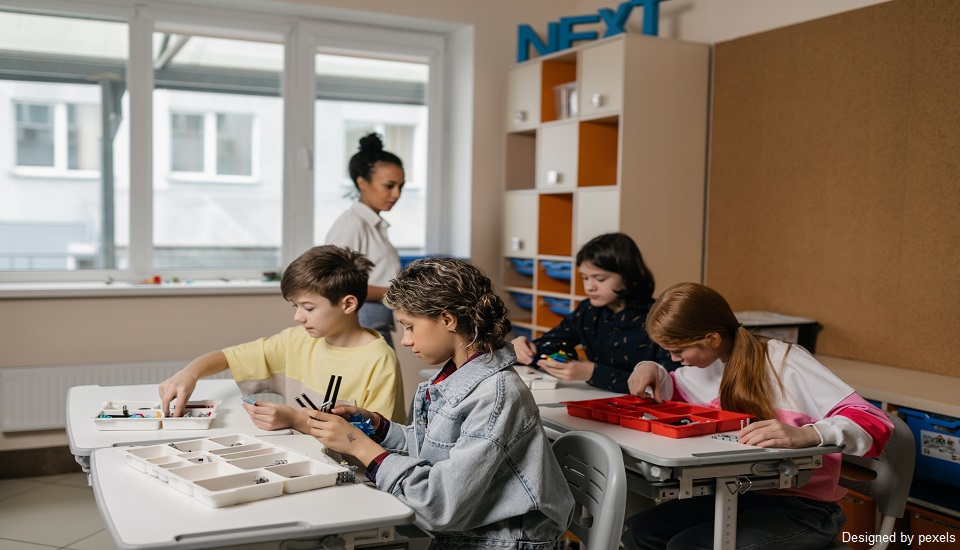
Education has always been more than the simple transfer of knowledge from teacher to student. At its best, it is a dynamic process that shapes curiosity, builds confidence, and prepares learners to engage meaningfully with the world around them. In modern classrooms, where students are surrounded by constant digital stimulation and diverse learning influences, engagement has become both more challenging and more essential. An engaging classroom experience does not happen by chance. It is carefully designed through thoughtful planning, creative teaching strategies, and a deep understanding of how students learn.
Engagement in the classroom refers to the level of interest, attention, curiosity, and passion that students show when they are learning. When students are engaged, they are not merely passive recipients of information. They participate actively, ask questions, collaborate with peers, and connect new knowledge to their own lives. This level of involvement leads to deeper understanding, improved retention, and a stronger sense of ownership over learning.
One of the most important foundations of an engaging classroom is a positive and inclusive learning environment. Students need to feel safe, respected, and valued before they can fully participate. A welcoming classroom atmosphere encourages students to express their ideas without fear of judgment. Teachers play a central role in creating this environment by showing empathy, encouraging open communication, and recognizing the unique strengths of each learner. When students believe that their voices matter, they are more likely to engage actively.
Another essential aspect of engagement is relevance. Students are more motivated when they see how what they are learning connects to real life. Lessons that incorporate real-world examples, current events, or practical applications help students understand the importance of their studies. Instead of teaching concepts in isolation, educators can link them to everyday experiences, future careers, or global challenges. This approach transforms learning from an abstract exercise into something meaningful and purposeful.
Active learning strategies are at the heart of engaging classroom experiences. Traditional lecture-based teaching, where students listen passively, often fails to capture attention for long periods. In contrast, active learning involves students directly in the learning process. This can include discussions, group projects, problem-solving activities, and hands-on experiments. By participating actively, students develop critical thinking skills and gain a deeper understanding of the subject matter.
Collaboration is another powerful tool for engagement. When students work together, they learn not only from the teacher but also from each other. Group activities encourage communication, teamwork, and the sharing of diverse perspectives. These experiences help students develop social skills and build a sense of community within the classroom. Collaborative learning also allows students to take on different roles, giving each individual an opportunity to contribute in a meaningful way.
Technology has transformed the modern classroom and offers numerous opportunities to enhance engagement. Digital tools can make lessons more interactive and visually appealing. Multimedia presentations, educational videos, and online simulations can bring complex concepts to life. However, technology should not be used simply for its own sake. It is most effective when it supports clear learning objectives and encourages active participation. When used thoughtfully, technology can bridge the gap between traditional teaching methods and the digital experiences students encounter outside of school.
Personalization is another key factor in creating engaging classroom experiences. Every student learns differently, and a one-size-fits-all approach often leaves some learners behind. By adapting teaching methods to accommodate different learning styles, teachers can ensure that all students have the opportunity to succeed. This might involve offering a variety of activities, providing choices in assignments, or using differentiated instruction. When students feel that their individual needs are recognized, they are more likely to stay engaged and motivated.
The role of the teacher in an engaging classroom extends beyond delivering content. Teachers act as facilitators, guiding students through the learning process and encouraging exploration. Instead of providing all the answers, effective teachers ask thought-provoking questions that inspire curiosity and independent thinking. This approach shifts the focus from memorization to understanding, helping students develop a deeper connection to the material.
Assessment also plays a significant role in engagement. Traditional tests can sometimes create stress and limit creativity. Alternative forms of assessment, such as projects, presentations, and portfolios, allow students to demonstrate their understanding in different ways. These methods not only provide a more comprehensive view of student learning but also encourage creativity and critical thinking. When assessments are meaningful and aligned with learning objectives, they become a valuable part of the educational experience rather than a source of anxiety.
Feedback is another crucial element in maintaining engagement. Students need to know how they are progressing and what they can do to improve. Constructive feedback helps learners identify their strengths and areas for growth. It also shows that the teacher is invested in their success. Timely and specific feedback can motivate students to keep trying and to take ownership of their learning journey.
Classroom management is often overlooked in discussions about engagement, but it is essential for creating a productive learning environment. Clear expectations, consistent routines, and respectful behavior set the stage for effective learning. When students understand what is expected of them and feel that the classroom is well-organized, they can focus more on learning and less on distractions. Good classroom management supports engagement by creating a sense of structure and stability.
Creativity is a powerful driver of engagement. Lessons that incorporate creative elements capture students’ attention and make learning more enjoyable. This might involve storytelling, role-playing, art, or creative writing. By encouraging students to think creatively, teachers can help them develop new ways of understanding and expressing ideas. Creativity also allows students to take risks and explore their own interests, which can lead to deeper engagement.
Another important aspect of engaging classroom experiences is student choice. When students have a say in their learning, they are more likely to feel invested. This could involve choosing topics for projects, selecting reading materials, or deciding how to present their work. Giving students choices empowers them and fosters a sense of responsibility. It also allows teachers to tap into students’ interests, making learning more relevant and engaging.
Building strong relationships between teachers and students is fundamental to engagement. When students feel that their teacher cares about them, they are more likely to participate and put effort into their work. Simple actions such as learning students’ names, showing interest in their lives, and offering encouragement can make a significant difference. Positive relationships create a supportive environment where students feel comfortable taking risks and asking questions.
Cultural relevance is another factor that contributes to engagement. Classrooms are increasingly diverse, and it is important for teaching materials and methods to reflect this diversity. When students see their own experiences and backgrounds represented in the curriculum, they feel more connected to the learning process. Culturally responsive teaching not only enhances engagement but also promotes inclusivity and respect.
Inquiry-based learning is an effective approach for fostering engagement. Instead of presenting information directly, teachers encourage students to ask questions and explore topics on their own. This method promotes curiosity and critical thinking. Students become active participants in their learning, seeking answers and developing a deeper understanding of the subject matter. Inquiry-based learning also helps students develop problem-solving skills that are valuable beyond the classroom.
Gamification is another strategy that can increase engagement. By incorporating elements of games, such as challenges, rewards, and competition, teachers can make learning more interactive and enjoyable. Gamification taps into students’ natural desire for achievement and recognition. However, it should be used thoughtfully to ensure that it supports learning objectives rather than distracting from them.
Reflection is an often overlooked but important part of the learning process. Encouraging students to reflect on what they have learned helps them consolidate their understanding and identify areas for improvement. Reflection can take many forms, such as journaling, discussions, or self-assessment. By taking the time to reflect, students become more aware of their learning process and more engaged in their own development.
Parental involvement can also enhance classroom engagement. When parents are informed and involved in their child’s education, they can provide additional support and encouragement. Communication between teachers and parents helps create a strong support system for students. This collaboration reinforces the importance of education and motivates students to stay engaged.
Professional development for teachers is essential for maintaining engaging classroom experiences. Education is constantly evolving, and teachers need to stay informed about new strategies and technologies. Ongoing training and collaboration with colleagues allow teachers to refine their skills and adapt to changing needs. A committed and well-prepared teacher is better equipped to create a dynamic and engaging learning environment.
Time management is another important consideration. Engaging lessons require careful planning to ensure that time is used effectively. Balancing different activities, maintaining a steady pace, and allowing time for discussion and reflection are all essential. When lessons are well-structured, students are more likely to stay focused and engaged.
The physical layout of the classroom can also influence engagement. Flexible seating arrangements, access to resources, and a visually appealing environment can make a significant difference. A well-designed classroom encourages interaction and collaboration. It also creates a space where students feel comfortable and motivated to learn.
Motivation is closely linked to engagement. Intrinsic motivation, where students are driven by their own interest and curiosity, is particularly important. Teachers can foster intrinsic motivation by creating meaningful learning experiences, offering choices, and providing opportunities for success. When students are motivated, engagement naturally follows.
In conclusion, creating engaging classroom experiences requires a thoughtful and multifaceted approach. It involves building a positive environment, making learning relevant, encouraging active participation, and supporting individual needs. Teachers play a central role in shaping these experiences, but engagement is a shared responsibility that includes students, parents, and the broader educational community.