
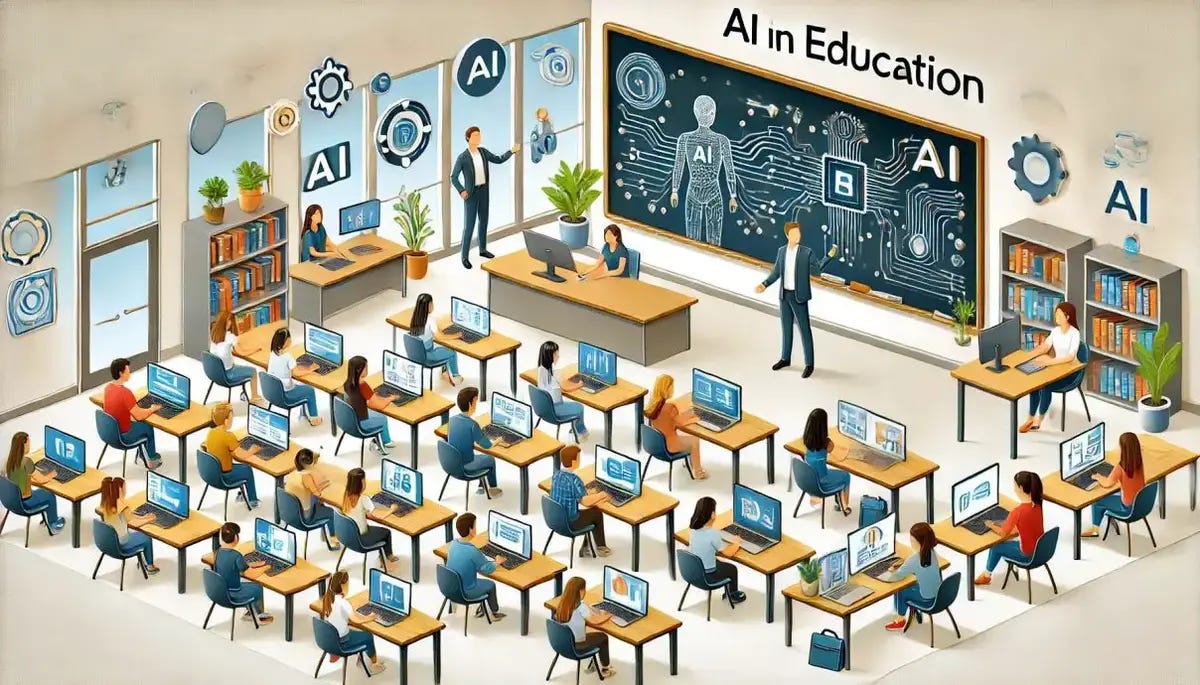
The integration of artificial intelligence into educational institutions has introduced a new era of opportunity and transformation. From personalized learning systems to automated grading and intelligent tutoring, AI has the potential to enhance the quality, accessibility, and efficiency of education. However, alongside these advancements come complex ethical challenges that institutions must address with care and responsibility. The adoption of AI in education is not merely a technical shift but a moral and social one, requiring thoughtful consideration of its impact on students, educators, and society as a whole.
One of the most pressing ethical concerns surrounding AI in education is data privacy. AI systems rely heavily on data to function effectively. In educational settings, this data often includes sensitive information about students, such as academic performance, behavioral patterns, and personal details. The collection, storage, and analysis of such data raise important questions about consent, security, and ownership. Students and their families may not always be fully aware of how their data is being used, and institutions must ensure transparency in their practices. Protecting this information from unauthorized access is essential to maintaining trust and safeguarding the rights of learners.
Closely related to data privacy is the issue of surveillance. AI-powered tools can monitor student activity in ways that were previously unimaginable. While this can provide valuable insights into learning behaviors, it also risks creating an environment where students feel constantly watched. This sense of surveillance can affect how students engage with learning, potentially limiting creativity and openness. Educational institutions must strike a balance between using data to support learning and respecting the autonomy and dignity of students.
Bias in AI systems is another significant ethical challenge. AI algorithms are trained on data, and if that data reflects existing inequalities or biases, the system may perpetuate them. In education, this can lead to unfair outcomes, such as biased assessments or unequal access to opportunities. For example, an AI system designed to evaluate student performance might inadvertently favor certain groups over others if it is based on incomplete or skewed data. Addressing bias requires careful design, diverse datasets, and ongoing evaluation to ensure that AI systems promote fairness rather than reinforce discrimination.
The question of accountability also arises in the use of AI in education. When decisions are made by algorithms, it can be difficult to determine who is responsible for the outcomes. If an AI system makes an error in grading or provides incorrect guidance, who should be held accountable? Teachers, administrators, and developers all play a role in the implementation of AI, but clear lines of responsibility are often lacking. Establishing accountability frameworks is essential to ensure that AI systems are used responsibly and that errors can be addressed effectively.
Another ethical concern is the potential impact of AI on the role of teachers. While AI can assist with many tasks, there is a risk that it may be seen as a replacement for human educators. This perspective overlooks the importance of the human element in teaching. Teachers provide mentorship, emotional support, and ethical guidance that cannot be replicated by machines. The challenge lies in integrating AI in a way that supports teachers rather than undermines their role. This requires a clear understanding of the unique contributions of human educators and a commitment to preserving them.
Equity is a critical issue in the adoption of AI in educational institutions. Access to advanced technologies is not evenly distributed, and this can create disparities between different schools and communities. Students in well-resourced institutions may benefit from cutting-edge AI tools, while others may lack access to basic digital infrastructure. This digital divide can widen existing inequalities and limit opportunities for disadvantaged learners. Ensuring equitable access to AI technologies is essential for creating a fair and inclusive education system.
The use of AI in assessment raises additional ethical questions. Automated grading systems can increase efficiency, but they may also lack the nuance and context that human evaluation provides. Complex assignments, such as essays or creative projects, require interpretation and judgment that AI systems may struggle to replicate accurately. There is a risk that over-reliance on automated assessment could reduce the richness of evaluation and fail to capture the full scope of student learning. Institutions must carefully consider how AI is used in assessment to ensure that it complements rather than replaces human judgment.
Transparency is another key ethical consideration. Students and educators need to understand how AI systems work and how decisions are made. Without transparency, it becomes difficult to trust these systems or to challenge their outcomes. However, many AI technologies operate as complex and opaque systems, often described as “black boxes.” Making these systems more transparent requires efforts to explain their processes in accessible terms and to provide clear information about their limitations.
The ethical use of AI also involves considerations of consent. Students should have a say in how their data is used and how AI tools are integrated into their learning experience. In many cases, consent is assumed rather than explicitly obtained, raising concerns about autonomy and agency. Educational institutions must develop clear policies that prioritize informed consent and respect the rights of students.
Another challenge is the potential for dependency on AI systems. As these technologies become more integrated into education, there is a risk that students and educators may become overly reliant on them. This dependency could reduce critical thinking and problem-solving skills, as individuals may defer to AI recommendations rather than engaging deeply with the material. Encouraging a balanced approach that promotes independent thinking is essential to maintaining the integrity of education.
The ethical implications of AI extend beyond individual institutions to the broader educational ecosystem. Decisions about the development and deployment of AI technologies are often influenced by commercial interests. Private companies play a significant role in creating educational AI tools, and their priorities may not always align with the values of education. This raises questions about the commercialization of education and the potential for profit-driven motives to shape learning experiences. Institutions must carefully evaluate the tools they adopt and ensure that they align with their educational mission.
Cultural considerations also play a role in the ethical use of AI. Educational institutions serve diverse populations, and AI systems must be designed to respect and reflect this diversity. Cultural biases in AI can lead to misunderstandings and misrepresentation, affecting the quality of education for certain groups. Ensuring cultural sensitivity requires collaboration with diverse stakeholders and a commitment to inclusivity in the design and implementation of AI systems.
Professional development for educators is essential in addressing ethical challenges. Teachers need to understand how AI systems work, their potential benefits, and their limitations. This knowledge enables them to use these tools effectively and to guide students in navigating AI-driven environments. Training programs should include discussions of ethical issues, helping educators make informed decisions about the use of AI in their classrooms.
The psychological impact of AI on students is another area of concern. Interactions with AI systems can influence how students perceive themselves and their abilities. For example, constant feedback from automated systems may create pressure or affect self-esteem. It is important to consider how these interactions shape student experiences and to ensure that they support well-being rather than undermine it.
Regulation and policy play a crucial role in addressing ethical challenges. Governments and educational authorities must establish guidelines that ensure the responsible use of AI. These policies should address issues such as data protection, transparency, and accountability. Clear regulations provide a framework for institutions to follow and help protect the interests of students and educators.
Collaboration is key to navigating the ethical landscape of AI in education. Institutions, policymakers, developers, and educators must work together to address challenges and develop solutions. Open dialogue and shared responsibility can lead to more effective and ethical implementation of AI technologies. This collaborative approach ensures that multiple perspectives are considered and that decisions are informed by a broad range of expertise.
Despite the challenges, it is important to recognize that AI also offers significant opportunities to improve education. The goal is not to reject these technologies but to use them responsibly. By addressing ethical concerns proactively, institutions can harness the benefits of AI while minimizing its risks. This requires a commitment to continuous evaluation and a willingness to adapt as new challenges emerge.
In conclusion, the ethical challenges of AI in educational institutions are complex and multifaceted. They involve considerations of privacy, fairness, accountability, and the role of technology in learning. Addressing these challenges requires careful planning, transparent practices, and a commitment to the values of education. As AI continues to evolve, educational institutions must remain vigilant and proactive in ensuring that its use aligns with the principles of equity, integrity, and respect for all learners.